Ceiling Light Too Bright? Adjust the Light, Keep the Form
When a ceiling light feels too bright, first notice what is uncomfortable: the whole room, a visible bulb or a reflection from one seat. That distinction helps you change the right part of the lighting. With our patterned shades, the aim is to keep the atmosphere you enjoy while making the source comfortable.
Find the source of the discomfort
Stand and sit in the positions where you use the room. Look for an exposed source, a reflection on a screen or table, and a bright fitting against otherwise dark surroundings. Note whether the problem occurs all evening or only when one particular combination of lights is on.
If the whole room is brighter than you want, output may be the issue. If the bulb is uncomfortable from one angle, glare or position may matter more. Our pendant-light choosing guide connects the fitting, bulb and room instead of treating them as separate purchases.
How to reduce light bulb brightness
For a replaceable bulb, compare its lumen rating with a compatible lower-output option. Lumens describe light output; watts describe power use. Match the fitting's required cap and other specifications, and follow its maximum rating and bulb instructions.
A lower-output bulb can reduce the light from that source, but it may also leave a task underlit. Keep a focused reading or working light where it is needed. That lets the decorative ceiling light contribute atmosphere without having to serve every activity.
Our story began with David’s first light, Hīnaki, in 1995. We still enjoy the way an open shade brings pattern into a room; keeping that character can be as simple as finding the right source for the space.
Fixes that need no rewiring
Many of the most useful changes need no electrical work, which helps if you rent or simply want to try something first.
- Swap to a compatible bulb with a lower lumen rating, keeping to the fitting's cap type and maximum rating.
- Try a warmer colour temperature if the light feels stark rather than simply strong.
- Change the bulb finish if the visible source is the problem: a frosted or diffuse bulb softens the point of light.
- Leave the ceiling light off in the evening and use lamps closer to where you sit or read.
- Add a rechargeable table lamp for low, local light, so the overhead light is not doing every job.
Dimmers, new switches and changes to fixed wiring are a job for an electrician, so try the simpler changes first and see what the room really needs.
Light bulb glare and diffusion
A frosted or otherwise diffuse bulb changes the appearance of the source and can soften the patterns from an open shade. It is a different decision from lowering the lumen output. Two bulbs with different finishes can carry similar lumen ratings, so read both specifications.
For our patterned shades, a clear source can give crisper shadows. Multiple LED points can produce softer, overlapping patterns. Our clear versus frosted bulb guide explains how to compare the effect.
Use bulbs and accessories intended for the fitting. Do not cover a bulb with paper, fabric or an improvised coating to reduce the light. If a fitting needs a different diffuser or enclosure, ask the manufacturer about suitable parts.
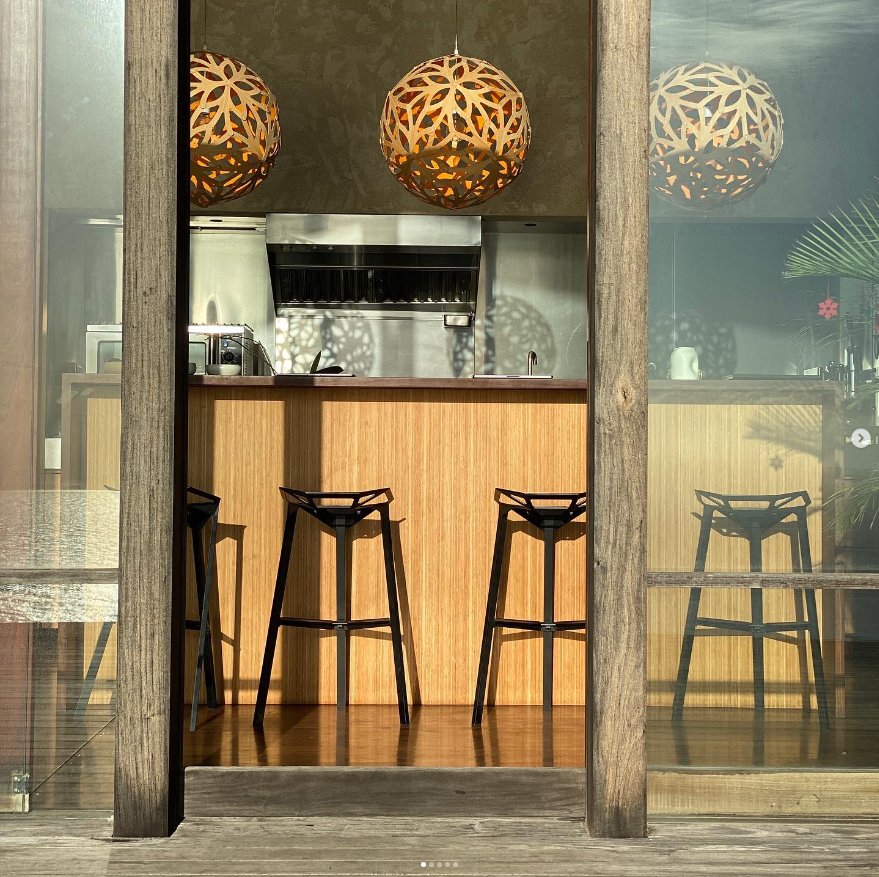
Our Coral shade repeats one component 60 times. When you enjoy its pattern but find the visible source uncomfortable, compare compatible bulb finishes before deciding the whole form needs to change.
Check dimming as a complete combination
A dimmer works with a compatible light source and control arrangement. A dimmable bulb still needs a compatible dimmer to work smoothly. Check the bulb and control specifications together, and ask your electrician about changes to fixed wiring or controls.
If the light flickers, buzzes or behaves unpredictably on a dimmer, stop treating that as a styling issue. Have the combination checked rather than repeatedly trying unsuitable settings.
Colour is not brightness
A cool-looking light may feel stark beside warm timber or a low-lit corner, but changing the colour temperature is not the same as reducing output. Compare Kelvin for colour and lumens for output as two separate numbers.
Our warm white versus cool white guide helps with that choice. Keep the other lights used at the same time in mind, especially when a pendant sits between a kitchen and living area.
Make a small evening test
- Record the existing bulb's cap, lumens, colour temperature and dimming information.
- Identify the position where the light is uncomfortable.
- Try one compatible change at a time, such as lower output or a different bulb finish.
- Keep the room's necessary task lighting available.
- Compare the result from the same seats and at the same time of day.
If the room still feels uneven, review its ambient and task layers. For a bulb-compatibility question about one of our shades, talk with us about your model and light source so you can keep the pattern you enjoy.
These brightness and placement recommendations depend on your space; we offer free render visualisations using your exact room measurements to help you picture a pendant there.
As a certified B Corp, we care about the things we make and how you live with them. Tell us which shade you have, so we can help you keep enjoying its form and shadows.
Your questions
Will a warm-white bulb automatically be less bright?
No. Colour temperature and light output are different specifications. Compare Kelvin for appearance and lumens for output.
Can I fit a dimmer to any pendant?
The light source, control and installation need to be compatible. Check the specifications with your electrician before changing fixed controls.